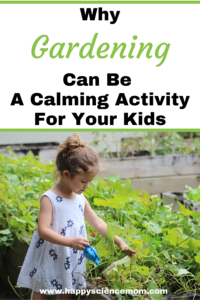
 I absolutely love it when we can pick fruits and vegetables grown in our own backyard and savor them at our dinner table. We are fortunate enough to have a lemon tree in our backyard, and we’ve enjoyed making our own lemon water, lemonade, and dishes like lemon chicken. We have also dabbled in growing our own tomatoes and peppers, which the children absolutely love doing. It’s a wonderful experience for them to pick the produce and play a role in creating a healthy meal for our family that incorporates the food we grew ourselves.
My children and I have also gotten a lot out of volunteering in a local community garden that serves a group of special needs adults in our community. During our visits, we have helped by planting seeds, weeding, and moving around vegetable plants in the garden. The best part is that the group uses what is grown in the garden to create meals that they serve in the local café that they run.
Growing fruits and vegetables together as a family can be a fun, engaging, and calming activity. In addition to the general benefits of being outside with nature, gardening offers a healthy distraction, provides a chance for some light exercise, encourages children to eat healthier, and builds community. There are also some incredible new discoveries about how soil can help improve our mood.
Let’s explore why we experience these mental health benefits of gardening a bit more deeply.
Time Outside
The natural world offers solace and comfort unlike what we can find in any manmade environment. So, spending time in nature doing activities like gardening helps reduce our response to stress and allows us to recover from tense situations more quickly. More and more studies have been coming out that highlight the health benefits of spending time in nature. Research shows that contact with nature heals because it lets us unwind and boosts our body’s natural endorphins to relieve stress. Just 20 minutes a day can help us feel more relaxed and lift our mood!
Some research has even looked specifically at the mental health benefits of gardening. A breakthrough study in the Journal of Environmental Psychology found that a healing garden at a children’s hospital in California had positive effects on users—about 85 percent reported feeling more relaxed, refreshed, or better able to cope after spending only 5 minutes in the garden.
Shannon Brescher Sher knows this first hand. She is the author of the book Growing Sustainable Together that dedicates an entire chapter to the benefits of gardening “My older son is a very emotionally intense kid-he feels emotions up to 11, as they say in the movie Spinal Tap. But when he’s outside, you can see the tension melt away. In the garden, in particular, he feels knowledgable and oddly enough, in control. That reduces his stress level more than any other particular intervention.”
Healthy Distraction
Another reason that gardening can be so calming is that it offers a healthy distraction. One study showed that engaging with a garden distracts us from our worries and stops us from obsessing about our problems. Over 12 weeks, participants saw an improvement in their mood during and immediately after gardening, and three months later they still reported significant improvements. Another study showed that after 30 minutes of gardening, participants’ cortisol levels dropped and they felt happier after the activity.
Besides being a distraction from our worries, gardening is similar to art in that it provides an opportunity to get lost in the moment. Whether we call it mindfulness or flow, focusing on something we love and losing track of time can dull our worries significantly.
Exercise
Gardening also provides some light exercise (and possibly some more intense exercise if you’re doing some heavy lifting). Exercise clearly helps us feel happier and calmer, and there is tons of scientific research to back that up. When we move around and sweat a bit, our body produces feel-good neurotransmitters called endorphins. These chemicals in our brain act as natural painkillers, making us feel better and less stressed, and even give us that “natural high” feeling. Exercise also reduces the level of stress hormones in our body like adrenaline and cortisol, helping us feel calmer. So, don’t be shy about giving your kids some work to do in the garden that makes them move a bit, such as digging, lifting, and bending up and down.
Healthier Food Choices
Gardening also motivates us to eat healthier foods that make us feel better. When kids are invested in growing their own fruits and vegetables, they feel more connected and want to enjoy the “fruit of the their labor.” By encouraging them to eat healthier through gardening, they will hopefully choose foods that nourish them instead of junk foods filled with sugar. It’s important for children to eat less sugar for numerous health reasons, but also for their mental health. Sugary foods can increase anxiety and even cause our kids to feel gloomy.
Social Interaction
Whether it’s just you bonding with your children in the garden, sharing your produce and gardening stories with friends and neighbors, or volunteering in a community garden, that social interaction also plays a major role in making us feel happier and calmer. Experts tell us that the most important way to feel happier is through positive relationships, so gardening can provide a vehicle for our children to connect with others over a healthy hobby.
Soil
I saved the best for last. Recent research has found that the simple act of touching soil can reduce stress and improve mood. How incredible is that?! Yes, allowing our kids to play in the dirt can actually help them feel happier and calmer. This is because a type of bacteria in soil called mycobacterium vaccae has been shown to stimulate areas of the brain that produce serotonin, a hormone that makes us feel better. It thrives in soil that is enriched with organic matter like the fruits and vegetables you are growing in your garden. Researchers have found that eating trace amounts of soil on garden vegetables actually helps us manage stress and enhance brain function. When we garden, we can inhale and ingest these healthy bacteria.
How can you add gardening to your child’s life?
- Create a family garden in your backyard. You can engage your children in gardening by buying them their own gardening tools, asking them to pick out the types of produce they want to grow, and using the produce you grow to cook meals together. Check out these ideas to get your kids excited about gardening.
- If you don’t have the room or desire to create a garden in your own backyard, collaborate with a neighbor or purchase a plot at a local community garden to tend.
- If starting a garden sounds intimidating, consider starting slow by growing a few herbs on your windowsill or one vegetable at a time in a large flower pot.
- Look for opportunities to volunteer in a local community garden. Community gardens increase the amount of green space, build positive community interaction, and many also provide fresh produce to those in need. Your children will enjoy planting seeds, weeding, and picking fruits and vegetables.
- Check out these suggestions for how to spend more time in the garden with your family.
How does gardening make your family feel calmer?


Leave a Reply